
Maternal & Child Health
Accelerating Nepal's Maternal Mortality Reduction: The 'Aama Surakshya' Programme Impact
Reviewing institutional delivery incentives, 24/7 Comprehensive Emergency Obstetric and Neonatal Care (CEONC) expansions, and reducing delays in rural birthing centers.
Public Health Concern Nepal Research Team · 4 min read
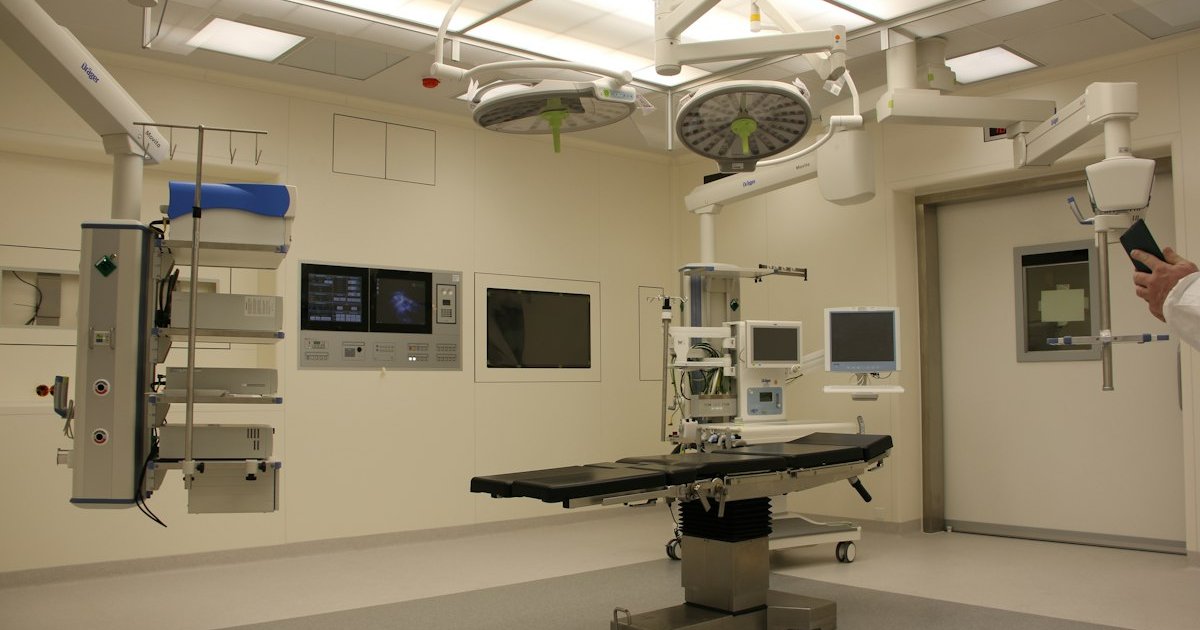
Maternal Health Gains in Nepal
Nepal has achieved significant reductions in Maternal Mortality Ratio (MMR), down to 151 per 100,000 live births according to recent census demographic health surveys. The government's flagship Aama Surakshya Karyakram (Safe Motherhood Scheme) has played a pivotal role by providing free institutional delivery care along with transportation cash incentives.
The Three Delays Model in Mountainous Terrains
- Delay 1 (Deciding to Seek Care): Overcoming traditional socio-cultural beliefs and financial constraints through Female Community Health Volunteers (FCHVs).
- Delay 2 (Reaching Healthcare Facility): Mitigated by rural ambulance networks and emergency airlifting under the President's Women Upliftment Programme for complicated obstructed labor cases in remote districts like Dolpa, Mugu, and Humla.
- Delay 3 (Receiving Quality Care): Standardizing clinical audit guidelines, ensuring active management of third-stage labor (AMTSL) to prevent Postpartum Hemorrhage (PPH).