In an era where superbugs threaten global health, Nepal is stepping up with its second National Action Plan (NAP) on Antimicrobial Resistance (AMR) for 2024-2028. Aligned with the World Health Organization’s (WHO) Global Action Plan, this multisectoral strategy addresses the rising tide of antibiotic-resistant infections that could push millions into poverty and derail Sustainable Development Goals (SDGs). As of November 2025, with AMR causing over 1.3 million deaths worldwide annually, Nepal’s plan emphasizes a “One Health” approach, integrating human, animal, food, and environmental sectors to curb misuse and promote sustainable practices. Whether you’re a healthcare professional, farmer, or concerned citizen, understanding this plan is crucial—let’s explore how Nepal is tackling this “silent pandemic.”
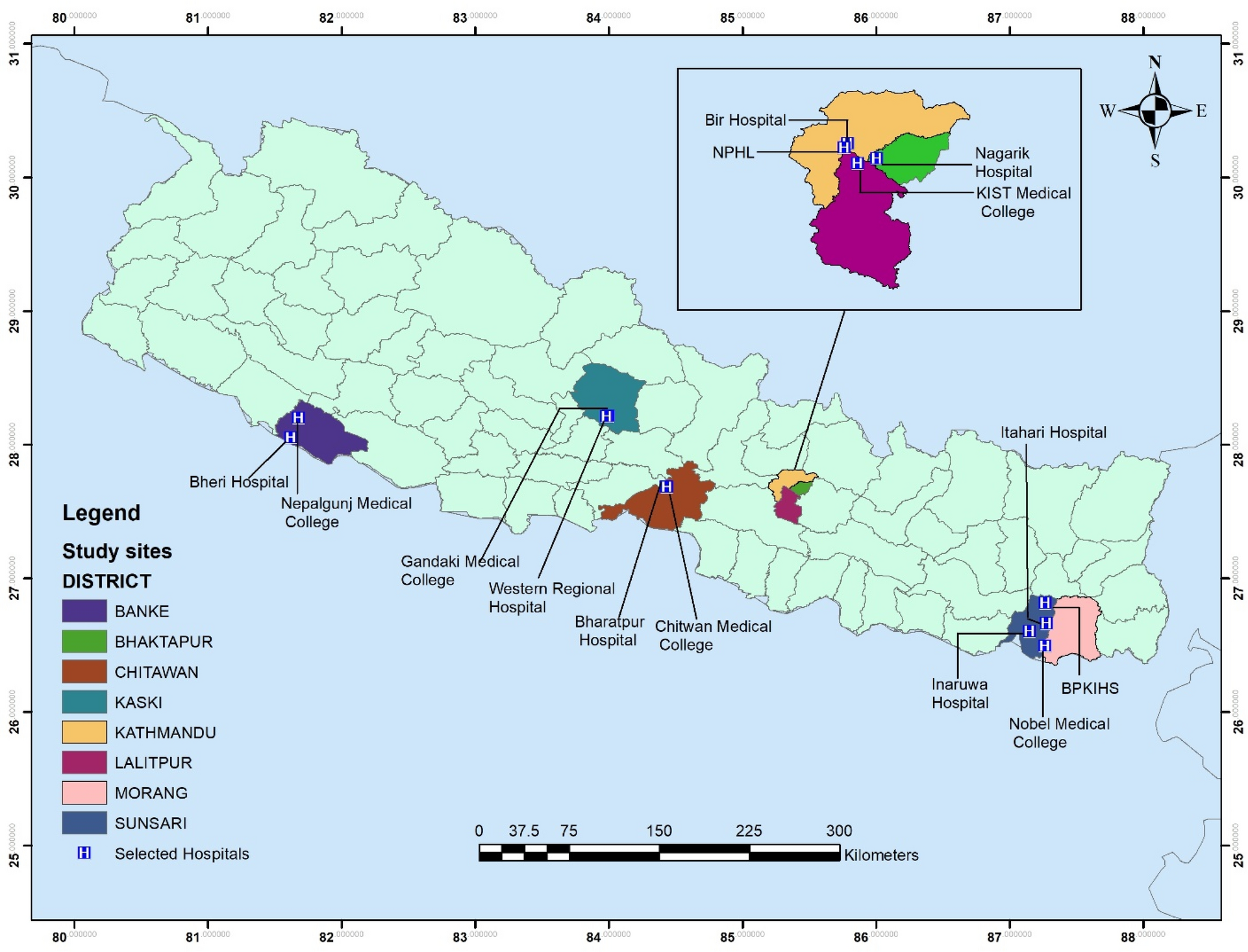
Use of antimicrobials and antimicrobial resistance in Nepal …
The Urgency of AMR in Nepal: A Situation Analysis
Nepal grapples with high infectious disease burdens, including respiratory infections, tuberculosis, and typhoid, exacerbated by AMR. Studies reveal alarming resistance rates: E. coli and Klebsiella pneumoniae show less than 40% and 20% effectiveness against common antibiotics like amoxicillin and ciprofloxacin, respectively. In human health, unnecessary prescriptions for non-bacterial conditions, self-medication, and over-the-counter sales drive resistance, with only 25.9% of hospitals treating wastewater properly, leading to healthcare-associated infections (HCAIs) from pathogens like MRSA.

The animal sector, contributing 27% to agricultural GDP, faces similar issues: 13% of veterinary spending goes to antibiotics, often misused as growth promoters in poultry and livestock. Residue levels exceed limits in milk and meat, with high resistance in bacteria like Salmonella. Low awareness among the public, professionals, and farmers compounds the problem, alongside inadequate surveillance and infection prevention. Nepal’s NAP builds on these insights, aiming to reduce morbidity, mortality, and economic losses through coordinated action.
Nepal’s National Response: Governance and Commitment
Launched with high-level political backing, the NAP was developed through sectoral consultations, approved by the National Steering Committee (NSC-AMR), and endorsed by the cabinet. Governance includes:
- NSC-AMR: Chaired by the Ministry of Health and Population (MoHP) Secretary, it oversees policy, coordination, and implementation across ministries like Agriculture and Livestock Development (MoALD) and Environment (MoFE).
- National Technical Working Committee (NTWC-AMR): Handles technical aspects, meeting quarterly.
- Thematic Committees: Focus on specific priorities for integrated planning.
This structure ensures “One Health” collaboration at federal, provincial, and local levels, aligning with national policies like the National Health Policy 2019 and Animal Health Policy 2021.
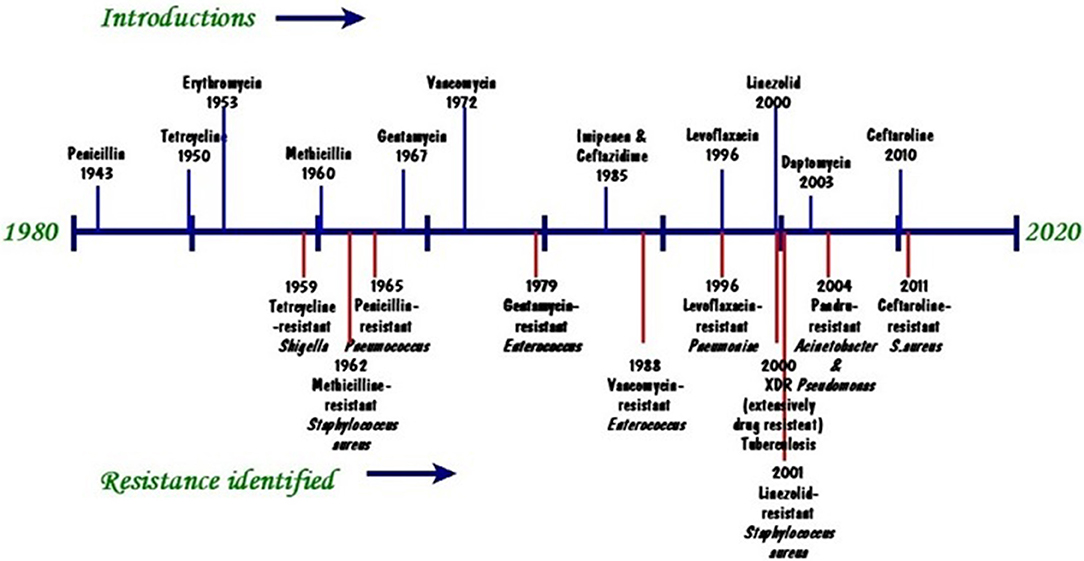
Frontiers | Antimicrobial Resistance in Nepal
Key Strategic Priorities and Activities
The NAP’s vision is an “AMR-free Nepal,” with a goal to minimize AMR’s impact through optimal antibiotic use. It outlines five priorities with timed activities (short: 1 year; medium: 1-3 years; long: 3-5 years), led by agencies like MoHP and MoALD.
| Priority | Focus | Key Activities | Expected Outcomes |
|---|---|---|---|
| 1: Awareness and Education | Improve understanding via communication and training. | Baseline assessments; IEC materials; curriculum revisions for schools and professionals; annual World AMR Awareness Week events. | Increased public and professional knowledge, reducing misuse. |
| 2: Surveillance and Research | Strengthen knowledge systems. | Establish “One Health” surveillance governance; SOPs for labs; monitor residues in food/environment; enhance lab capacity and data sharing. | Integrated surveillance covering 10+ organisms, informing policy. |
| 3: Infection Prevention and Control (IPC) | Reduce infections across sectors. | Develop IPC guidelines; train staff; promote good husbandry practices; HCAI surveillance; vaccination drives. | Lower infection rates, with >80% immunization coverage. |
| 4: Optimize Antimicrobial Use | Promote rational prescribing. | Revise National Essential Medicines List (NEML) using WHO’s AWaRe classification; ban growth promoters; establish stewardship programs; enforce prescription laws. | Reduced inappropriate consumption, with AMU/AMC surveillance. |
| 5: Sustainable Investment and Innovation | Ensure resources for research. | Impact assessments; operational research on alternatives like herbal medicines; foster collaborations. | Institutionalized R&D, with subnational action plans. |
These activities engage stakeholders from government to NGOs, fostering evidence-based interventions.
Cost Estimates, Funding, and Monitoring Framework
Budgeted at NRs. 4,586 million (about $34 million USD) over five years, the plan allocates 61% to federal levels, 41% to IPC, and significant shares to human (NRs. 2,065 million) and animal health (NRs. 1,996 million). Funding comes from government budgets, development partners like WHO, and NGOs, integrated into annual programs.
Monitoring is continuous, led by NSC-AMR and delegated to NTWC. Reports flow from local to federal levels using a framework tracking outputs (e.g., trainings conducted), outcomes (e.g., awareness levels), and impacts (e.g., reduced AMR morbidity). Annual progress reviews address risks like funding delays through stakeholder collaboration.
The Road Ahead: Impact and Call to Action
Nepal’s NAP positions the country as a regional leader in AMR containment, supporting Universal Health Coverage and SDGs. By optimizing antibiotic use and enhancing surveillance, it aims to slash resistance rates and save lives. Recent events, like the 2023 World AMR Awareness Week rally, show growing momentum.
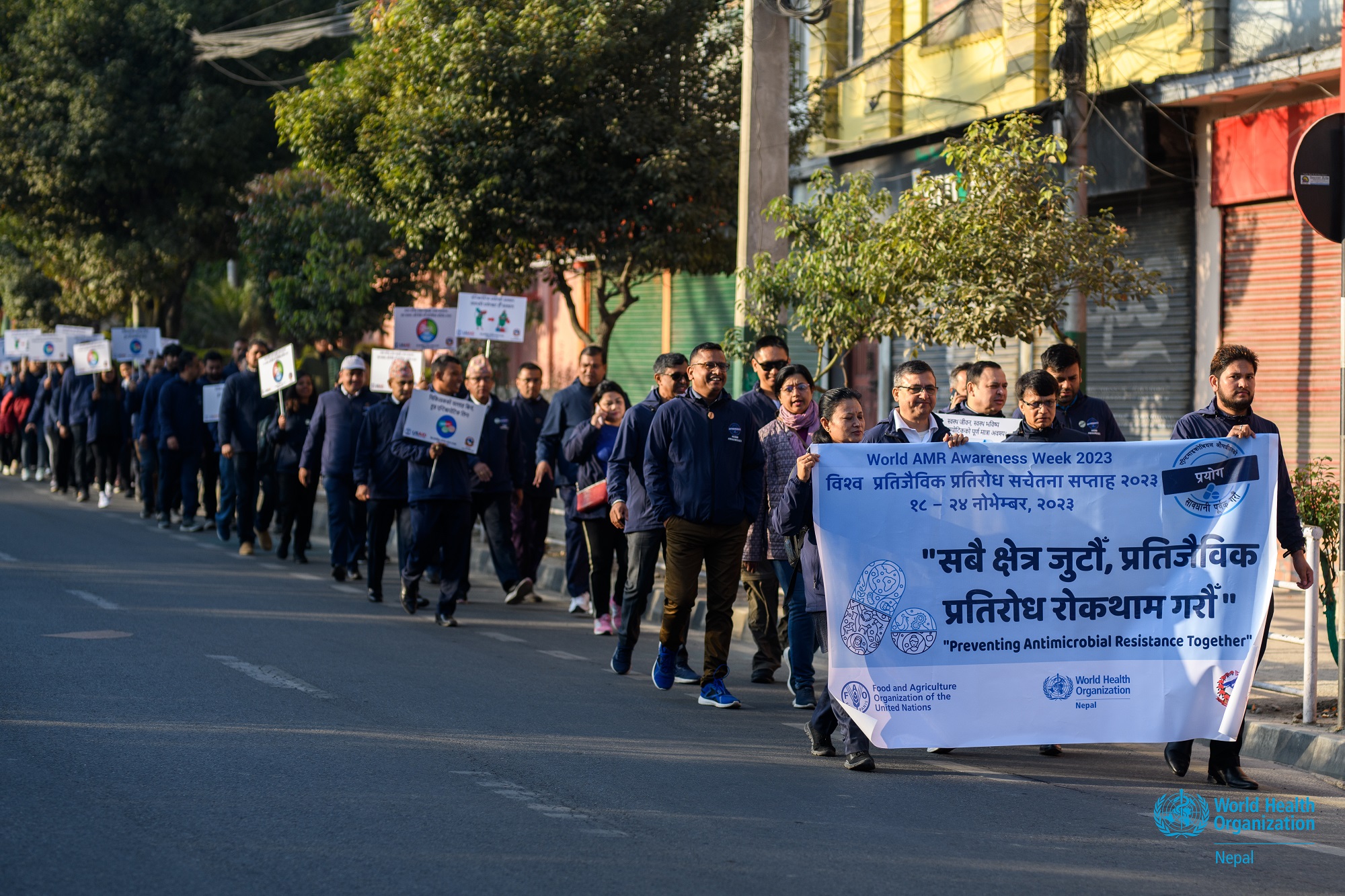
Rally held to commemorate World AMR Awareness Week
What can you do? Advocate for rational prescribing, support local IPC practices, and stay informed. For the full plan, visit WHO or MoHP resources.
DO YOU Need PPT? Click HERE
Together, we can build a resilient health future for Nepal! Share your thoughts on AMR below.
Discover more from Public Health Concern Nepal
Subscribe to get the latest posts sent to your email.